
 By admin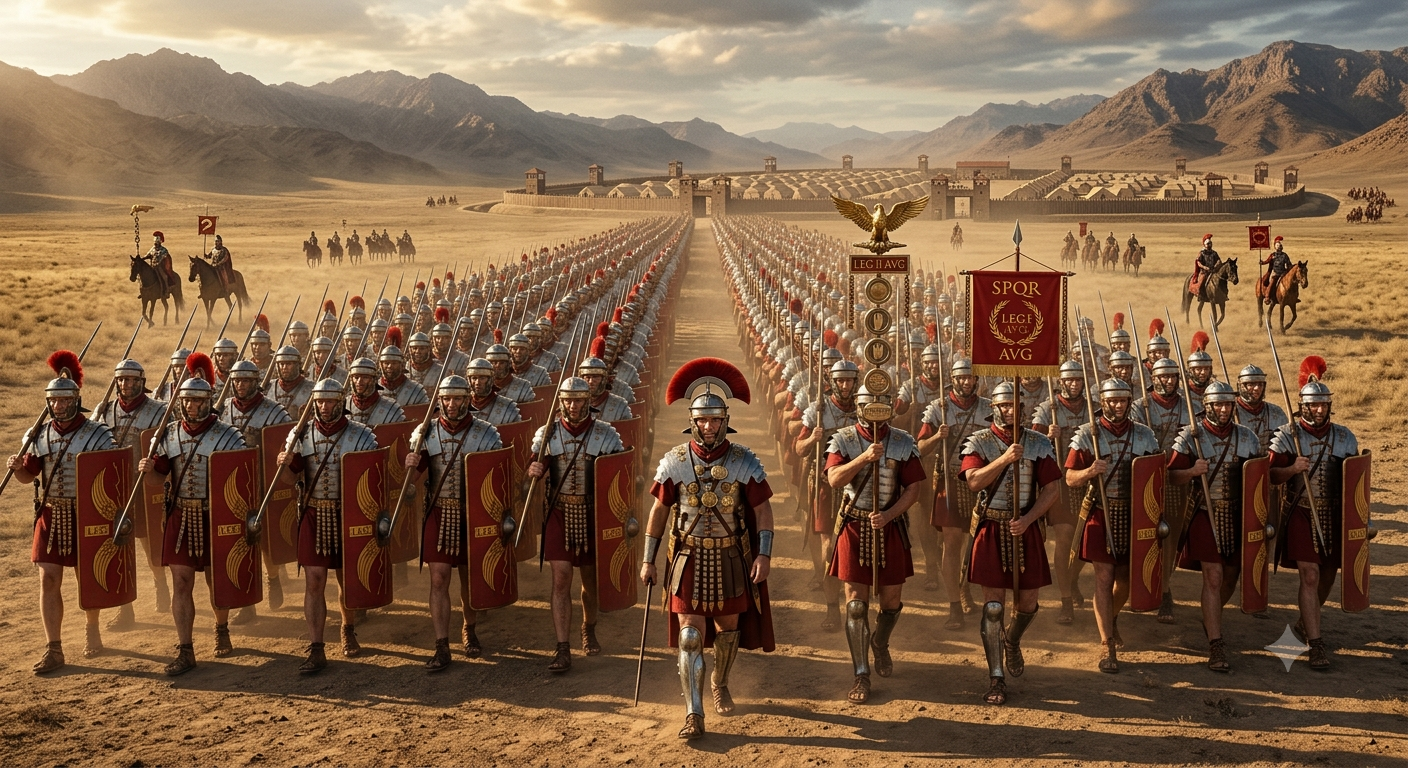
Introduction
The Roman Army is widely regarded as one of the greatest military forces in world history. For centuries, it protected the Roman Empire, conquered vast territories, and helped transform Rome from a small city-state into one of the most powerful civilizations the world has ever known. Its remarkable success was not based solely on bravery. Instead, the Roman Army relied on discipline, organization, advanced training, and well-planned strategies that set it apart from its enemies.
Unlike many ancient armies, the Roman Army was highly professional. Soldiers trained regularly, followed strict rules, and worked together as a unified force. Every legionary understood that success on the battlefield depended on teamwork rather than individual heroics. This discipline allowed Roman soldiers to remain calm even during the most dangerous battles.
The backbone of the Roman Army was the legion. A Roman legion usually consisted of around 5,000 well-trained soldiers divided into smaller units. This structure allowed commanders to communicate quickly, adapt to changing situations, and launch coordinated attacks. Each soldier had a specific role, making the entire army highly organized and efficient.
Training was another key reason behind the success of the Roman Army. New recruits practiced marching long distances while carrying heavy equipment, learned how to build military camps, and trained daily with swords and shields. These exercises prepared them for the physical and mental challenges of warfare. As a result, Roman soldiers were often better prepared than their opponents.
The Roman Army was also famous for its excellent leadership. Experienced generals carefully planned campaigns, studied the terrain, and used clever tactics to defeat larger enemy forces. Their ability to adapt to different battlefields allowed Rome to win wars across Europe, North Africa, and parts of Asia.
Because of its discipline, organization, and continuous training, the Roman Army became the foundation of Rome’s power. It not only defended the empire but also played a vital role in expanding Roman influence across three continents.The Structure and Strength of the Roman Army.
The Structure and Strength of the Roman Army
One of the greatest strengths of the Roman Army was its well-organized structure. Unlike many ancient armies that relied on large groups of warriors, the Romans divided their soldiers into smaller, disciplined units. This organization allowed commanders to control thousands of troops efficiently, even during intense battles.
The main fighting unit of the Roman Army was the legion. A standard legion usually consisted of around 5,000 soldiers, known as legionaries. Each legion was divided into smaller groups called cohorts, and every cohort was further divided into centuries. This clear chain of command ensured that orders could be delivered quickly and accurately across the battlefield.
Leading each century was a centurion, one of the most respected officers in the Roman Army. Centurions were chosen for their experience, courage, and leadership skills rather than their social status. They trained their soldiers, maintained discipline, and often fought alongside them during battles. Their leadership played a major role in Rome’s military success.
Roman soldiers were also equipped with some of the finest weapons of the ancient world. The gladius, a short sword, was designed for close combat and was highly effective in formation fighting. Soldiers also carried a large rectangular shield called the scutum, which provided excellent protection. Other common weapons included the pilum, a heavy throwing spear designed to weaken enemy defenses before close combat began.
Armor was another important advantage of the Roman Army. Legionaries wore strong helmets, body armor, and protective gear that increased their chances of surviving on the battlefield. Although this equipment was heavy, regular training made Roman soldiers physically strong enough to march long distances while carrying it.
Discipline remained the heart of the Roman Army. Soldiers followed strict rules, obeyed their commanders without hesitation, and trained constantly to improve their skills. This combination of organization, leadership, and superior equipment allowed Rome to defeat many powerful enemies and maintain control over a vast empire for centuries.
Training, Battle Formations, and Daily Life in the Roman Army
The success of the Roman Army did not come by chance. It was the result of intense training, strict discipline, and careful preparation. Every soldier was expected to maintain excellent physical fitness and master a wide range of military skills before entering the battlefield.
Training in the Roman Army was demanding. New recruits marched long distances carrying heavy equipment, practiced sword fighting with wooden weapons, and learned how to use their shields effectively. These exercises built strength, endurance, and confidence, ensuring that every soldier was ready for combat. Even experienced legionaries continued training regularly because Roman commanders believed that constant practice was the key to victory.
One of the most famous tactics used by the Roman Army was the Testudo Formation, also known as the “Tortoise Formation.” In this formation, soldiers stood close together and locked their large shields on all sides and above their heads. This created a protective shell that helped defend them against arrows, spears, and other enemy attacks while advancing toward fortified positions. The Testudo demonstrated the discipline and teamwork that made Roman soldiers so effective.
Another reason for the strength of the Roman Army was its ability to build military camps quickly. At the end of each day’s march, soldiers constructed temporary camps surrounded by ditches and wooden walls. These camps provided security, allowed soldiers to rest safely, and protected supplies from enemy attacks. The ability to build fortified camps wherever they traveled gave the Romans a significant advantage during long military campaigns.
Life in the Roman Army was not easy. Soldiers followed strict daily routines that included training, repairing equipment, guarding the camp, and maintaining roads or bridges. Discipline was enforced at all times, and serious offenses could result in severe punishment. Despite these challenges, serving in the army offered regular pay, food, and the opportunity to earn land or rewards after completing years of service.
The combination of rigorous training, intelligent battle formations, and disciplined daily life made the Roman Army one of the most respected military forces in history. These qualities enabled Rome to defend its borders, conquer new territories, and maintain control over a vast empire for centuries.
Battle Strategies and the Legacy of the Roman Army
The Roman Army was feared not only because of its powerful soldiers but also because of its brilliant military strategies. Roman generals understood that winning a battle required careful planning, discipline, and teamwork rather than relying on strength alone. Before every campaign, they studied the terrain, gathered information about the enemy, and prepared detailed battle plans.
One of the greatest advantages of the Roman Army was its ability to adapt. Whether fighting in forests, mountains, deserts, or open fields, Roman commanders adjusted their tactics to match the situation. This flexibility allowed Rome to defeat many different enemies, including the Gauls, Carthaginians, and various Germanic tribes.
Military engineering was another reason for the success of the Roman Army. Soldiers were trained not only to fight but also to build roads, bridges, forts, and siege equipment. These engineering skills helped the army move quickly across the empire and maintain reliable supply lines during long campaigns. Roman engineers also designed powerful siege towers, battering rams, and catapults, making it easier to capture heavily defended cities.
The Roman Army was led by some of history’s greatest military commanders. Leaders such as Julius Caesar became famous for their courage, intelligence, and tactical brilliance. Caesar’s campaigns in Gaul demonstrated how discipline, strategy, and strong leadership could overcome larger enemy forces. His victories greatly expanded Roman territory and strengthened the empire.
The reputation of the Roman Army spread throughout the ancient world. Many enemies feared facing Roman legions because they knew they would encounter highly trained soldiers, experienced commanders, and carefully planned tactics. Even when Roman forces were outnumbered, their discipline and organization often gave them the advantage.
For centuries, the Roman Army remained the foundation of Rome’s strength. It protected the empire, secured trade routes, expanded Roman influence, and helped create one of the greatest civilizations in human history.
Conclusion
The Roman Army was far more than a military force. It was the backbone of the Roman Empire and one of the main reasons Rome became the dominant power of the ancient world. Through strict discipline, advanced training, innovative engineering, and exceptional leadership, Roman soldiers achieved victories that changed the course of history.
The influence of the Roman Army can still be seen today. Many modern military organizations continue to use ideas first developed by the Romans, including structured command systems, organized training, military engineering, and battlefield discipline. These lasting contributions prove that the Roman military was not only successful in its own time but also shaped the future of warfare.
Even centuries after the fall of the Roman Empire, the story of the Roman Army continues to inspire historians, military experts, and history enthusiasts around the world. Its legacy remains a powerful reminder that discipline, preparation, and teamwork are often the true keys to success.
[…] admin Jul 30, 2026 […]