
 By admin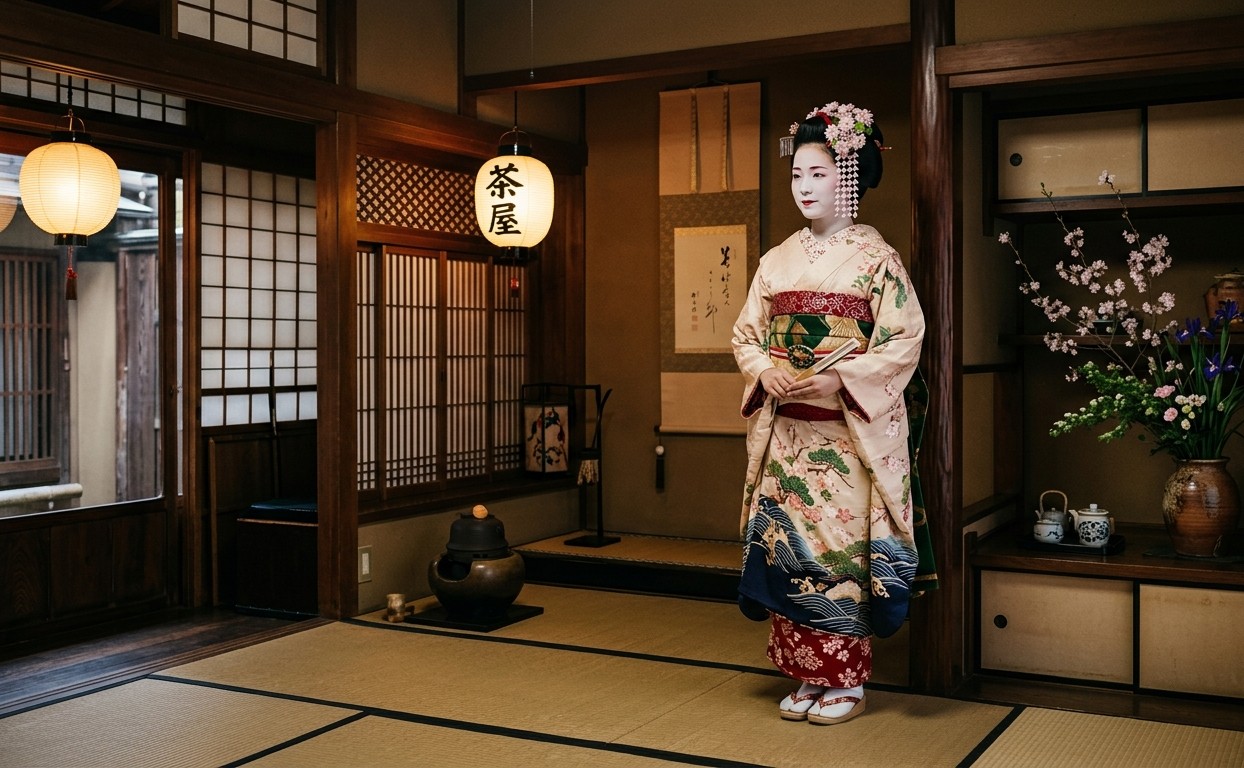
Who Are the Geisha?
Imagine entering a traditional Japanese tea house and encountering the world of Geisha Culture—a woman dressed in an elegant kimono, with carefully styled hair, traditional makeup, and a graceful way of speaking.
She may be a Geisha, one of the most recognizable figures of traditional Japanese culture.
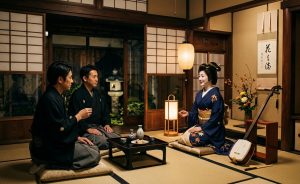
Geisha are professional entertainers trained in traditional Japanese arts. Their skills can include music, dance, singing, conversation, and the traditional tea ceremony. Rather than being simply performers, they have historically been part of a highly specialized cultural tradition that developed over centuries.
The word Geisha can be translated roughly as “person of the arts.”
Their world is often misunderstood outside Japan. Popular movies and stories have sometimes portrayed Geisha mainly as mysterious women connected to romance. In reality, their traditional role centered on art, entertainment, hospitality, and cultural skills.
Becoming a Geisha traditionally required years of training and discipline. Young apprentices learned how to wear a kimono properly, play traditional instruments, perform dances, maintain formal etiquette, and interact with guests.
Their distinctive appearance also became an important part of the tradition. The elegant kimono, traditional hairstyles, white makeup, and carefully chosen accessories were not simply fashion—they reflected the customs and artistic style of the Geisha world.
But how did this unique tradition begin?
To understand Geisha Culture, we need to travel back several centuries into Japan’s history.
How Did Geisha Culture Begin?
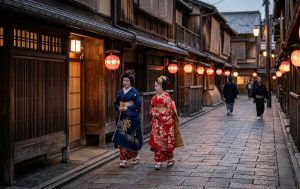
The history of Geisha Culture can be traced back to Japan’s entertainment districts during the Edo period, when cities such as Kyoto and Edo became important centers of art, trade, and social life.
The earliest entertainers were not exactly the Geisha we recognize today. Men and women worked in entertainment and hospitality, performing music, dance, comedy, and other traditional arts for guests.
Over time, a distinct group of professional female entertainers emerged. They became known for their artistic abilities and refined manners rather than simply their appearance.
By the 18th century, the role of Geisha had become more clearly established. Training focused on traditional Japanese arts such as shamisen music, singing, dance, poetry, conversation, and tea ceremony.
Kyoto became particularly famous for its Geisha communities. In Kyoto, Geisha are traditionally known as Geiko, while young apprentices are called Maiko.
The distinction between a Geiko and a Maiko is important. A Maiko is generally an apprentice who is still learning the arts and customs required to become a professional Geiko.
Their training could be demanding and lasted for years.
But Geisha were not simply entertainers hired for a performance. They became part of a sophisticated social world where art, hospitality, conversation, and traditional Japanese customs came together.
And behind their elegant appearance was a life of discipline that began at a very young age.
The Life and Training of a Maiko
Becoming a Geiko in traditional Kyoto culture was not something that happened overnight. It required years of learning, practice, and dedication.
A young apprentice, known as a Maiko, traditionally entered the Geisha world while still quite young. She learned under the guidance of experienced Geiko and gradually developed the skills needed to entertain guests professionally.
Her training included traditional Japanese dance, shamisen music, singing, tea ceremony, calligraphy, and formal conversation. She also had to learn how to move gracefully, sit properly, serve guests, and follow the detailed etiquette of traditional entertainment houses.
Appearance was another important part of her training.
A Maiko traditionally wore colorful kimono, elaborate hairstyles, and distinctive makeup. Her appearance could also change as she gained experience, helping to distinguish an apprentice from an established Geiko.
But the training was not only about performing arts.
Maiko were expected to understand Japanese customs, seasonal traditions, local culture, and the appropriate way to interact with different guests. Developing good conversation skills was particularly important because entertainment often involved creating a pleasant and sophisticated atmosphere.
The process required patience and discipline.
After completing her apprenticeship, a Maiko could eventually become a Geiko, continuing the profession as a fully trained traditional entertainer.
But the world of Geisha was not only about training and performance. Their clothing, hairstyles, music, and ceremonies were all deeply connected to Japanese culture.
The Meaning Behind the Kimono and Traditional Appearance
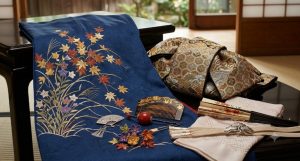
One of the most recognizable features of Geisha Culture is the elegant appearance of its performers. Their colorful kimono, carefully styled hair, traditional makeup, and accessories are not simply decorative. Each element reflects Japanese artistic traditions and customs.
A Geisha’s kimono is carefully selected according to the season, occasion, and level of formality. The colors and patterns can reflect flowers, plants, landscapes, or other elements associated with a particular time of year.
The obi, the wide sash wrapped around the waist, is another important part of the outfit. It can be elaborately decorated and adds to the overall appearance of the kimono.
Maiko traditionally wear more colorful kimono and elaborate hairstyles, often decorated with seasonal hair ornaments called kanzashi. Their appearance is generally more youthful and decorative than that of an established Geiko.
Traditional makeup also has a distinctive style. White face makeup, darkened eyebrows, and red accents around the eyes and lips became associated with the traditional appearance of performers.
However, the makeup and clothing were not identical in every situation. Different styles could indicate age, experience, season, or the type of occasion.
The overall appearance was designed to create an elegant visual presentation while preserving centuries-old Japanese aesthetic traditions.
But appearance was only one part of the Geisha world.
Behind the beautiful kimono and makeup was another important element of their profession—music, dance, and traditional Japanese performance.
The Music, Dance, and Arts of the Geisha
Music and performance are at the heart of Geisha Culture. Geisha are traditionally trained in several Japanese arts, allowing them to entertain guests through a combination of music, dance, conversation, and refined hospitality.
One of their most important instruments is the shamisen, a traditional three-stringed Japanese instrument. Geisha learn to play it with precision and use it to accompany songs and performances.
Traditional Japanese dance is another major part of their training. The movements are often controlled and graceful, with careful attention to posture, hand gestures, and timing. Different dances may reflect seasonal changes, historical stories, or traditional Japanese themes.
Geisha may also perform traditional songs and participate in tea ceremonies. These activities require knowledge of etiquette and years of practice.
Their performances are usually presented in intimate settings such as traditional entertainment houses and tea houses. The goal is not simply to perform on a stage but to create an elegant and enjoyable atmosphere for guests.
Conversation is equally important. A skilled Geisha is expected to be able to entertain guests through polite conversation, humor, storytelling, and knowledge of traditional customs.
Together, these skills make the Geisha tradition much more than an unusual style of clothing or makeup.
It is a form of living cultural heritage, combining music, dance, art, hospitality, and centuries-old Japanese traditions.
The Role of Geisha in Japanese Society
Geisha have played a unique role in Japanese cultural life for centuries. Their work was traditionally centered on entertainment and hospitality, particularly in social gatherings held at tea houses and traditional restaurants.
Guests might hire Geisha for special occasions where they would perform music and dance, lead traditional games, or simply provide thoughtful and engaging conversation.
Their role required much more than artistic talent. A successful Geisha needed to understand Japanese etiquette, seasonal customs, poetry, music, and social manners. They were expected to create a comfortable and sophisticated atmosphere for their guests.
Geisha communities also became closely connected with traditional entertainment districts known as hanamachi. These areas developed their own customs, houses, and networks of teachers and performers.
However, the social position of Geisha was complex. They were respected for their artistic skills and cultural knowledge, but their lives were also shaped by strict traditions and professional expectations.
Over time, Japanese society changed significantly. Modern entertainment, changing lifestyles, and economic pressures reduced the number of people entering the profession.
Despite these changes, Geisha traditions have survived in parts of Japan, particularly in Kyoto, where Geiko and Maiko continue to practice traditional arts.
Their continued presence gives visitors a rare opportunity to experience elements of Japan’s traditional performing culture.
How Geisha Culture Survived into the Modern Era
As Japan entered the modern era, traditional entertainment began to change. Western influences, new forms of popular entertainment, and changing social habits affected many old Japanese customs.
The number of Geisha gradually declined, but the tradition did not disappear.
In places such as Kyoto, traditional Geiko and Maiko communities continued to preserve their skills. They maintained practices involving music, dance, tea ceremony, traditional clothing, and seasonal celebrations.
Modern Geisha still train in traditional arts, although their daily lives are very different from those of Geisha centuries ago. Today, becoming a Geiko or Maiko is generally a personal professional choice rather than the path that many young women once entered through older social arrangements.
Geisha also became increasingly associated with Japanese cultural tourism. Visitors to Kyoto may attend traditional performances where Geiko and Maiko demonstrate classical dance, music, and other arts.
However, the modern Geisha community remains relatively small. Maintaining the tradition requires years of training, financial support, and dedicated teachers.
Despite these challenges, Geisha Culture continues to survive because its practitioners have preserved the artistic skills and customs passed down through generations.
Today, Geisha are not simply symbols of Japan’s past. They are also living practitioners of traditional Japanese performing arts.
Geisha Culture and the Misconceptions Surrounding It
Geisha are often misunderstood outside Japan. Movies, television, and popular stories have sometimes presented them as mysterious women whose main purpose was romance or relationships with wealthy men.
In reality, their traditional profession is centered on performing arts, entertainment, and hospitality.
Geisha are trained in music, dance, singing, conversation, and traditional Japanese customs. Their work is primarily about creating an elegant social atmosphere and entertaining guests through these skills.
Another common misconception is that all Geisha are the same. In fact, there are differences between Geiko, Maiko, and the traditions practiced in different parts of Japan.
Kyoto is particularly famous for its Geiko and Maiko communities, while other regions have their own terminology and customs.
It is also important to understand that Geisha culture has changed over time. The lives of Geisha in the Edo period were not identical to those of modern practitioners.
Today, Geiko and Maiko continue to preserve traditional arts while living in a modern society.
Understanding these differences helps separate the real history of Geisha Culture from the myths and stereotypes that have developed around it.
What makes the tradition remarkable is that many of its artistic practices have survived for generations despite enormous social and cultural changes in Japan.
The Future of Geisha Culture
Today, the world of Geisha faces a challenge that many traditional cultures experience: how to preserve an old tradition while adapting to a changing society.
The number of Geiko and Maiko is much smaller than it was in the past. Becoming a professional Geiko requires years of intensive training in music, dance, etiquette, and other traditional arts, making it a demanding career.
At the same time, interest in Japanese culture has helped keep the tradition visible. In Kyoto, traditional performances and cultural events allow both local people and visitors to experience aspects of this unique heritage.
Modern practitioners continue to learn from experienced teachers and pass their knowledge to younger generations. Traditional clothing, music, dance, ceremonies, and seasonal customs remain important parts of their training.
However, preserving Geisha Culture is not simply about keeping old customs unchanged. It also means allowing the tradition to exist naturally within modern Japanese society.
Whether the Geisha tradition will remain strong for another hundred years depends largely on whether new generations continue to choose this demanding way of life.
For now, the tradition survives as a remarkable connection between Japan’s past and its present.
Conclusion
Geisha culture is much more than the elegant kimono, makeup, and hairstyles that people often associate with it.
It represents centuries of Japanese music, dance, art, hospitality, etiquette, and craftsmanship.
Although the tradition has changed considerably over time, Geiko and Maiko continue to preserve many of these cultural practices.
Their world offers a glimpse into a side of Japanese history that cannot be found in museums alone—because it is still being practiced today.
[…] admin Aug 11, 2026 […]
[…] London also had many factories and power stations that released smoke into the atmosphere. […]
[…] Bengal with distant parts of Asia through river routes and international trade. Today, much of that great city has disappeared, leaving behind ruins, old buildings, mosques, and stories of a forgotten […]